Esperanto
Shqiptare
Euskara
Zulu
Latinus
Cymraeg
தமிழ்
Slovak
Slovak
Afrikaans
Industry Information
Esperanto
Shqiptare
Euskara
Zulu
Latinus
Cymraeg
தமிழ்
Slovak
Slovak
Afrikaans
Industry Information
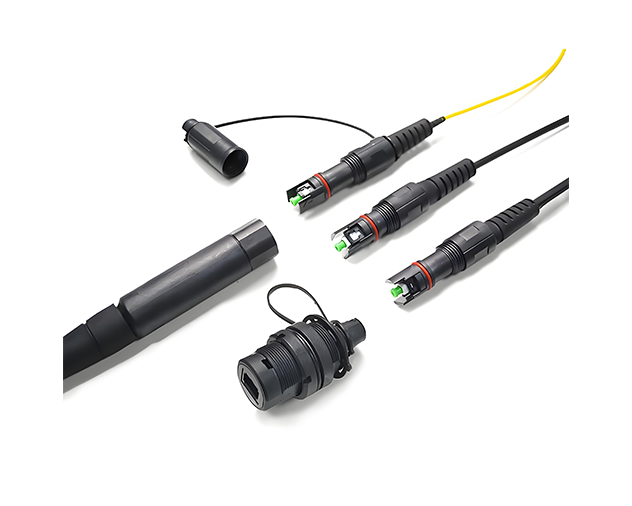
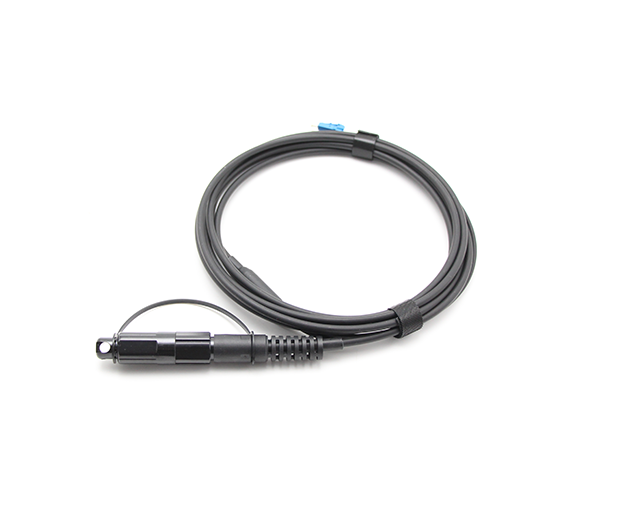
Opti-Tap Outdoor Cable Assemblyis a critical component in modern networking infrastructures, particularly in the field of telecommunications. It plays a vital role in transmitting data signals over long distances with minimal loss and interference. This article aims to provide an overview of what Opti-Tap Patch Cord is, its uses, and how it functions within a network.

What is Opti-Tap Patch Cord?
An Opti-Tap Patch Cord, often referred to simply as an Opti-Tap or optical tap, is a fiber optic device that allows for the monitoring of data traffic on a fiber optic line without interrupting the signal flow. It essentially "taps" into the fiber optic cable to extract a portion of the light signal, which can then be analyzed or used for other purposes such as network diagnostics or surveillance.

Opti-Tap Patch Cord have various applications, including:
Network Monitoring: By extracting a portion of the signal, network administrators can monitor traffic patterns, detect anomalies, and ensure security protocols are followed.
Signal Analysis: In testing environments, optitabs enable engineers to analyze signal quality and performance without disrupting live networks.
Distributed Access: In broadcasting scenarios, optitabs can distribute signals to multiple destinations simultaneously, such as distributing a TV channel feed to different areas of a building.
Surveillance: Law enforcement agencies might use optitabs to monitor communication lines for legal interception purposes.
When installed correctly, an Opti-Tap Patch Cord works by inserting itself into the existing fiber optic line. The tap mechanism inside the Opti-Tap then splits a fraction of the incoming light signal, directing it towards a separate output port. This process does not significantly alter the main signal, allowing it to continue on its path largely unaffected. The extracted signal can then be routed to monitoring equipment or other destinations as needed.